Are Ice Dams a Construction Defect or Just Colorado Winter Weather?
How to Tell When Recurring Ice Dams Signal a Hidden Building Problem
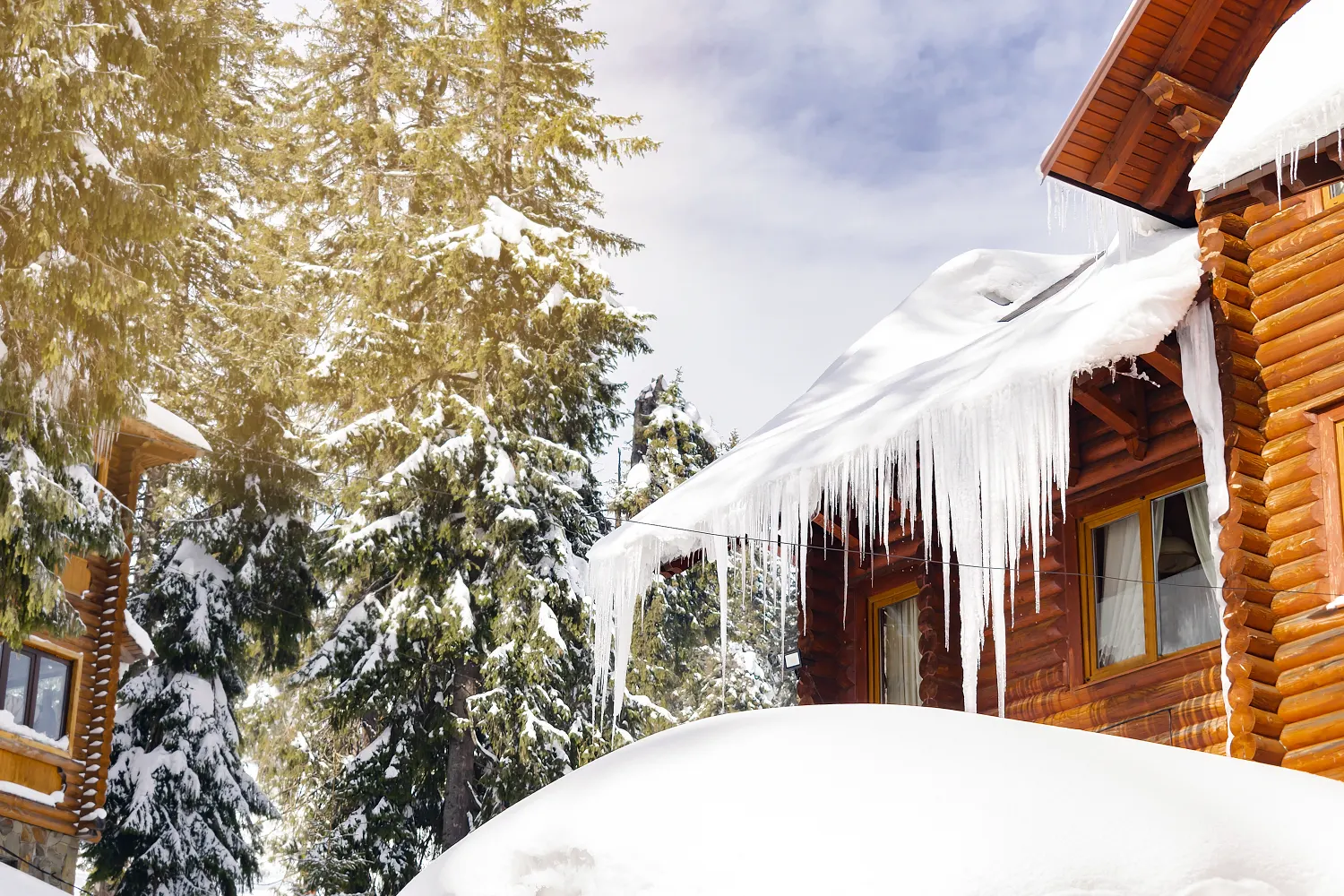
If heavy icicles line your eaves every winter, you have probably been told it is just Colorado weather. It often is not, and knowing the difference can protect your home and your ability to hold someone accountable.
The first big snow arrives. Icicles line the eaves. Many owners assume this is just part of Colorado winters. Builders and property managers often reinforce that idea by blaming the weather or gutters. In a properly insulated and ventilated attic, ice dams rarely form. Recurring ice dams usually signal a problem in how the home was built.
Across more than 1,000 construction defect cases and more than $500 million recovered for our clients, we have seen this pattern again and again.
Here is how ice dams form, how to tell maintenance from a defect, why mountain and Front Range homes differ, and what to do before winter.
What Is an Ice Dam, and Why Isn't It Just the Weather?
Heat escapes from the living space into the attic, warming the roof deck to a temperature above freezing. That warm roof deck then melts the snow on the roof. Meltwater runs down the roof to the cold eaves, which overhang outside the warm attic space, and refreezes. As the ice ridge grows, water pools behind it and backs up under shingles into sheathing, insulation, walls, and ceilings.
Snow and cold are the trigger, but heat loss is the cause.
Three systems keep a roof cold:
- Insulation slows heat loss.
- Air sealing stops warm air from leaking into the attic. This is often the biggest culprit.
- Ventilation flushes remaining heat and moisture out through soffit intake vents and ridge or roof exhaust vents.
International Residential Code Section R806 addresses roof ventilation, and International Residential Code Section R905 requires an ice barrier at the eaves where ice damming is a known risk. Many Colorado jurisdictions have adopted a version of that code.
How Do Insulation and Ventilation Defects Cause Ice Dams?
These are the construction problems we see most often behind recurring ice dams.
- Soffit vents blocked by insulation pushed into the eaves without baffles
- Missing, undersized, or mismatched intake and exhaust ventilation
- Unsealed attic penetrations, such as recessed lights, plumbing and wiring holes, attic hatches, and chimney or flue chases
- Bathroom or kitchen fans that vent into the attic instead of outdoors
- Thin, uneven, or compressed insulation, especially at the eaves
- Leaky or uninsulated ductwork running through the attic
- Missing or improperly installed ice barrier underlayment at the eaves
Complex rooflines, dormers, valleys, and vaulted or cathedral ceilings leave little room for insulation and airflow, so they demand careful detailing. Most of these defects stay hidden in the attic until water shows up inside, often years after closing.
Is It a Maintenance Issue or a Construction Defect?
Not every ice dam is a construction defect. A single ice dam after an unusual storm, or one caused by gutters packed with leaves, may simply be a maintenance issue.
Gutters can make an ice dam worse, but they do not create one. Heat loss does.
These signs point toward a construction defect:
- Ice dams return in the same spots every winter
- Dams form even when gutters are clean and flowing
- Snow melts unevenly, leaving bare patches over heated rooms
- Frost, mold, or dark staining on the underside of the roof sheathing
- Damp or matted insulation in the attic
- Multiple homes or units in the same community show the same pattern
For HOA boards, that last sign matters. Repeated problems across buildings often suggest a common design or construction flaw, not individual neglect.
Why Do Mountain and Front Range Homes Behave Differently?
Colorado's climate tests a roof in two very different ways.
Mountain Communities
In mountain towns, deep snow can sit on roofs for months. That snowpack insulates the roof, so even modest heat loss keeps meltwater running beneath the surface all winter.
Mountain architecture also favors the complex rooflines and vaulted ceilings that are hardest to insulate and ventilate correctly.
Front Range Communities
Along the Front Range, snow often melts and refreezes within days. Sunny afternoons followed by cold nights create repeated freeze and thaw cycles.
Ice dams may come and go, which makes a defect easy to dismiss as a fluke. In large subdivisions built on tight schedules, we often find the same attic shortcuts repeated from home to home.
What Should You Do Before the Next Freeze?
Early fall is the right time to act. A few steps now can protect both your home and your legal options.
- Photograph ice dams, icicles, and interior stains each time they appear, and note the dates.
- Hire an independent professional to inspect attic insulation, air sealing, and ventilation, ideally with infrared imaging.
- Report problems to your builder, HOA, or property manager in writing.
- Treat heat cables and roof raking as temporary measures, not fixes.
- Talk with a construction defect attorney before signing any release or accepting a builder's repair.
Timing matters. In Colorado, construction defect claims are subject to a two-year statute of limitations that can begin when the damage is discovered or reasonably should have been discovered, along with a statute of repose that sets an outer limit.
The Construction Defect Action Reform Act (CDARA) also requires a notice of claim process before most lawsuits move forward. This is general information, and every situation is different.
Key Takeaways for Colorado Homeowners and HOA Boards
- Snow and cold trigger ice dams, but heat loss from the home causes them.
- Recurring ice dams usually point to insulation, air sealing, or ventilation defects.
- Clean gutters and heat cables do not fix a construction problem.
- Document damage and get an independent inspection before the next freeze.
- Colorado deadlines are short, so do not wait until spring.
If ice dams keep returning to your home or community, we can help you understand your options. Contact Nelson Law Firm to schedule a consultation before winter sets in.