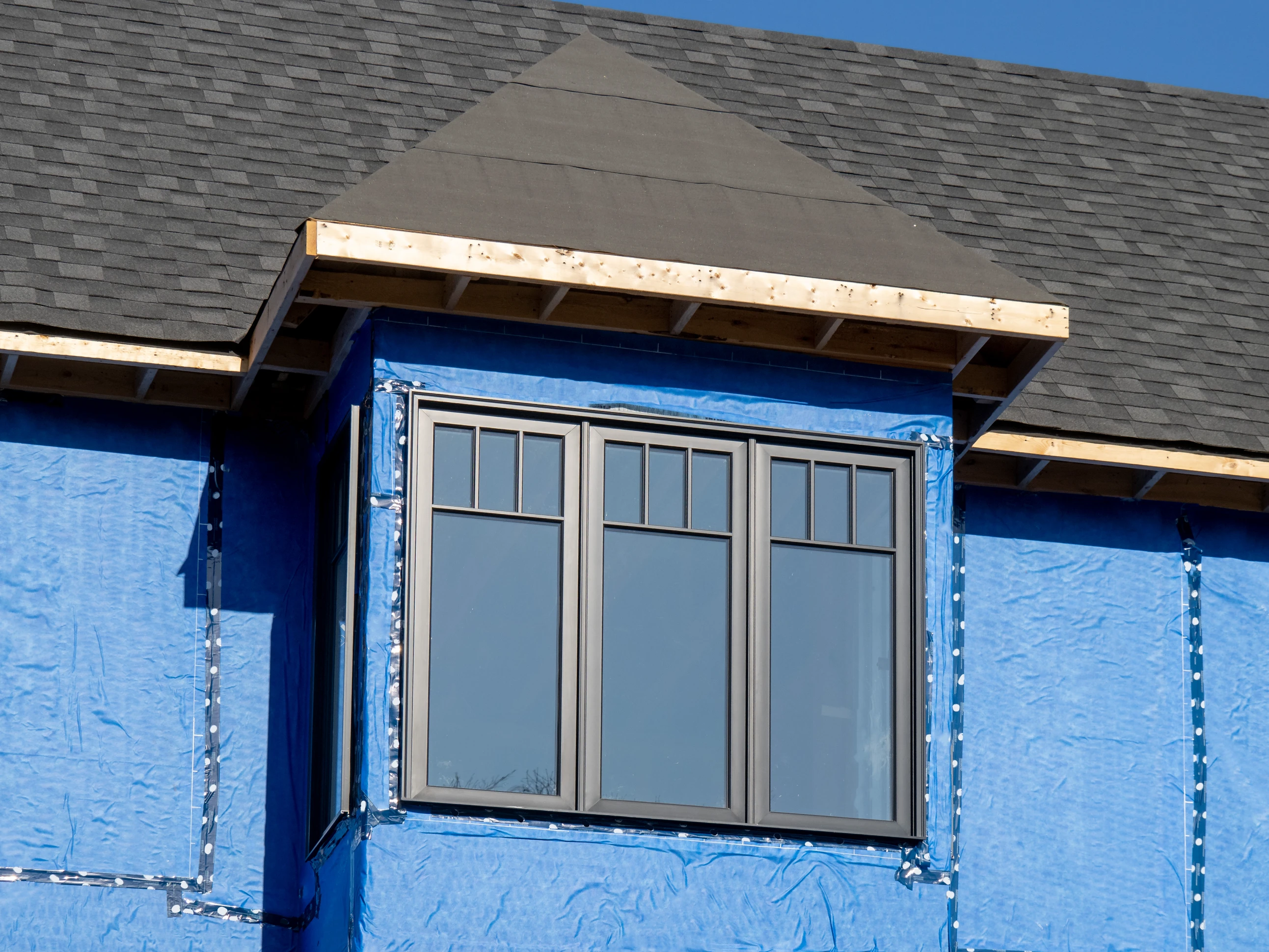
What's Hiding Behind Your Stucco? Understanding EIFS and Stucco Defects in Colorado Homes
How to Recognize the Warning Signs of Hidden Moisture Damage and Protect Your Legal Rights Before It's Too Late
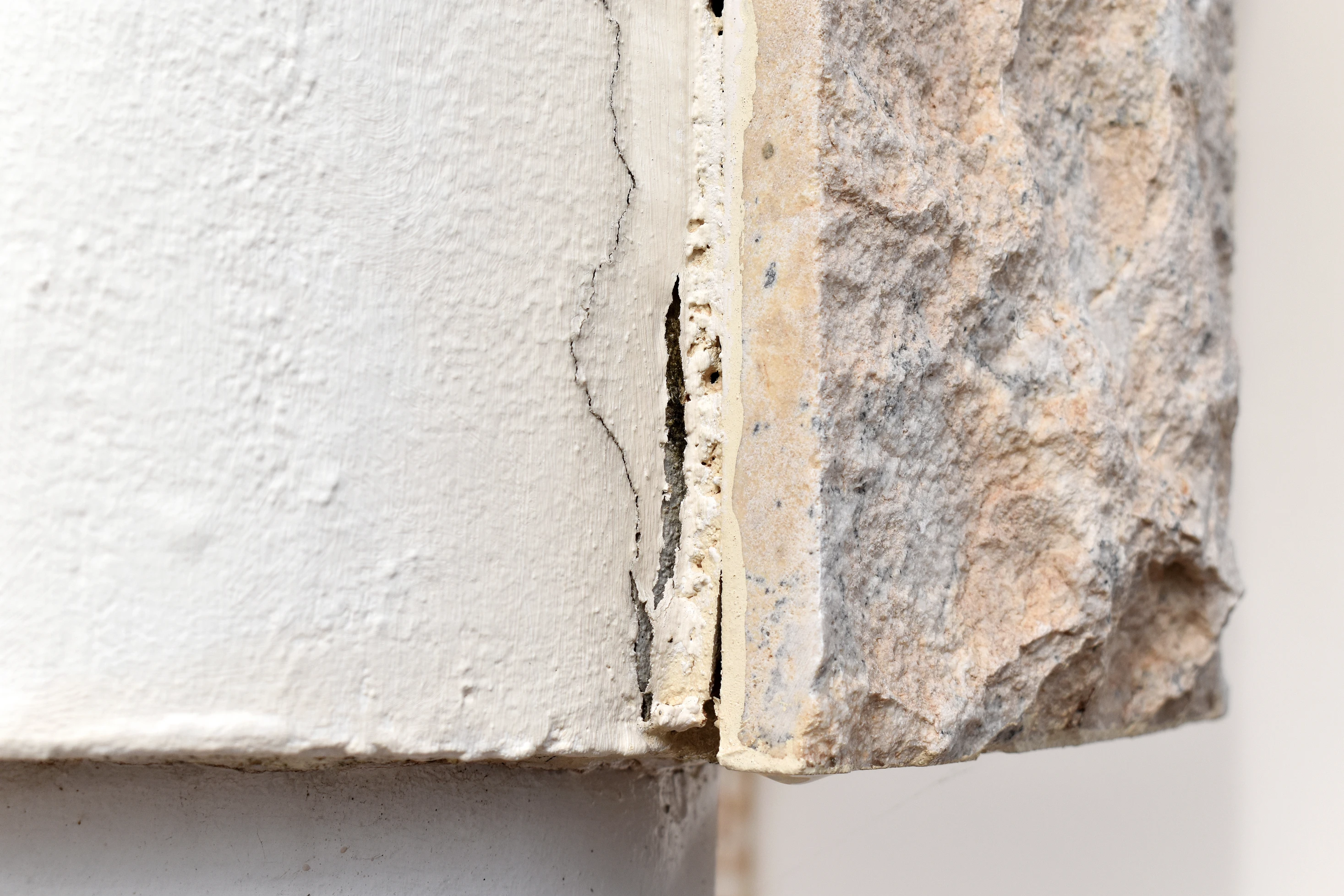
If you have stucco or EIFS on your Colorado home, you are right to wonder whether hidden damage is already forming behind those walls. This article will show you exactly what causes these systems to fail, how to recognize the warning signs before damage becomes catastrophic, and what legal protections exist to hold builders accountable when defective installation threatens your home's structural integrity.
Your Stucco Looks Fine on the Outside. The Problem Is What You Cannot See.
If you have noticed cracking, staining, or bubbling on your stucco or EIFS exterior, you may have been told it is purely cosmetic. Your concern is justified. Behind that synthetic shell, moisture may already be rotting the wood framing, growing mold, and compromising the structural integrity of your building.
This article will explain why stucco and EIFS systems fail so frequently in Colorado, how to spot the warning signs early, and what legal options exist when a builder or developer installed a defective system.
At Nelson Law Firm, we have recovered more than $500 million and resolved over 1,000 construction defect cases, many involving exterior cladding failures just like this. We understand what is hiding behind these walls, and we know how to hold the responsible parties accountable.
What Are Stucco and EIFS, and Why Were They So Popular in Colorado?
Traditional stucco is a cement-based plaster applied in layers over a lath system. EIFS, or Exterior Insulation and Finish Systems, is something very different. Sometimes called synthetic stucco, EIFS layers a foam insulation board with a thin synthetic coating designed to mimic the look and texture of real stucco.
EIFS became extremely popular in Colorado developments from the 1990s through the mid-2000s because it was inexpensive, energy efficient, and visually appealing. However, the problems can be significant. EIFS systems installed without drainage provisions trap moisture behind the cladding, leading to wood rot, mold growth, and serious structural damage.
This was a widespread historical issue that eventually prompted industry changes, including the development of drainage EIFS. The International Residential Building Code (Section R703.1) requires a water-resistant barrier behind exterior veneer, though local codes may vary. Unfortunately, many Colorado installations fail to comply with these standards.
Why Do These Systems Fail in Colorado?
Colorado's climate is uniquely hostile to barrier EIFS and poorly installed stucco. Several factors combine to accelerate deterioration in ways that homeowners rarely anticipate.
Freeze-thaw cycles are relentless here. Colorado's dramatic temperature swings cause expansion and contraction that opens cracks in the synthetic skin. Intense UV exposure at altitude degrades sealants and coatings far faster than at lower elevations. Wind-driven rain and snow forces moisture into any gap or crack in the surface.
Perhaps most deceptive is Colorado's low humidity, which gives homeowners a false sense of security. Many assume dry air means no moisture problems. But trapped moisture behind cladding has nowhere to go, and the damage compounds silently over time.
Common failure points include poor flashing at windows, doors, roof-to-wall intersections, and deck attachments. Older non-draining EIFS installations, especially those common before the 2000s, caused widespread rot and mold, often forcing costly full cladding removal. The most frequent failure points include:
- Window and door perimeters
- Roof-to-wall transitions
- Deck and balcony connections
- Ground-level termination points
- Penetrations for utilities or fixtures
How to Spot EIFS and Stucco Damage Before It Becomes Catastrophic
The danger of EIFS and stucco failures is that damage hides behind the exterior surface for years before visible signs appear. By the time you notice something, the underlying structure may already be severely compromised.
Watch for these warning signs:
- Hairline cracks or spiderweb cracking in the finish coat
- Soft or spongy areas when pressing on the wall surface
- Staining or discoloration near windows or rooflines
- Musty odors inside the home near exterior walls
- Swollen or warped baseboards or trim on interior walls
- Visible mold in closets or corners adjacent to exterior walls
Regular inspections of seals, flashing, cracks, and areas around penetrations are essential to prevent escalation. If you see even one of these signs, do not delay. Moisture damage compounds quickly.
Documented repair costs for EIFS failures have ranged from $16,000 to $52,000 per condo unit in some cases. Early detection can mean the difference between a targeted repair and a full exterior replacement.
The Legal Landscape: Who Is Responsible for EIFS and Stucco Defects?
In Colorado, construction defect claims involving EIFS and stucco failures typically fall under the Construction Defect Action Reform Act, known as CDARA. This law establishes the framework for how homeowners and HOAs pursue claims against builders and developers.
CDARA requires homeowners and HOAs to provide a written notice of claim to the builder or developer before filing a lawsuit. This gives the builder an opportunity to inspect the property and offer repairs. The notice of claim process has specific procedural steps and timelines that must be followed precisely, or the homeowner risks losing their right to pursue the claim.
Improper subcontractor work and lack of builder supervision are frequently at the root of EIFS failures. Builders, developers, and their subcontractors may all bear responsibility for defective installations.
Colorado also has statutes of limitation and repose that set firm deadlines for bringing claims. Timing matters. Homeowners and HOAs should consult with an experienced construction defect attorney as early as possible to preserve their rights and avoid missing critical filing windows.
Why Colorado Homeowners Trust Nelson Law Firm with Cladding Defect Claims
We have built our reputation on results. With more than 1,000 cases resolved and over $500 million recovered for our clients, we bring deep experience to every stucco and EIFS defect case we handle. We serve homeowners and HOAs across Colorado.
Our approach is built on quality over volume. Every case receives focused attention, thorough preparation, and a trial-ready strategy. When builders know we are prepared to go to court, it changes the conversation.
What Should You Do If You Suspect Stucco or EIFS Problems?
If you believe your home or community may have stucco or EIFS defects, take these steps now:
- Document visible damage with dated photos
- Avoid making permanent repairs that could affect evidence
- Request a professional moisture intrusion inspection
- Check your HOA governing documents for maintenance responsibilities
- Consult with a construction defect attorney before the statute of limitations expires
Early action protects both your property and your legal rights. The longer moisture damage goes unaddressed, the more extensive and expensive the repairs become.
We understand how stressful it is to discover that your home may be failing from the inside out. Nelson Law Firm offers consultations to help homeowners and HOAs understand their options and determine the best path forward. If you are ready to take the next step, contact us today.
Related reading
- What Is Water Intrusion and How Does It Damage Your Colorado Home?
- How Do I Know If My Windows and Doors Were Installed Incorrectly?
- Why Your Builder's Warranty Won't Cover Most Construction Defects
Learn more about our construction defect litigation practice.