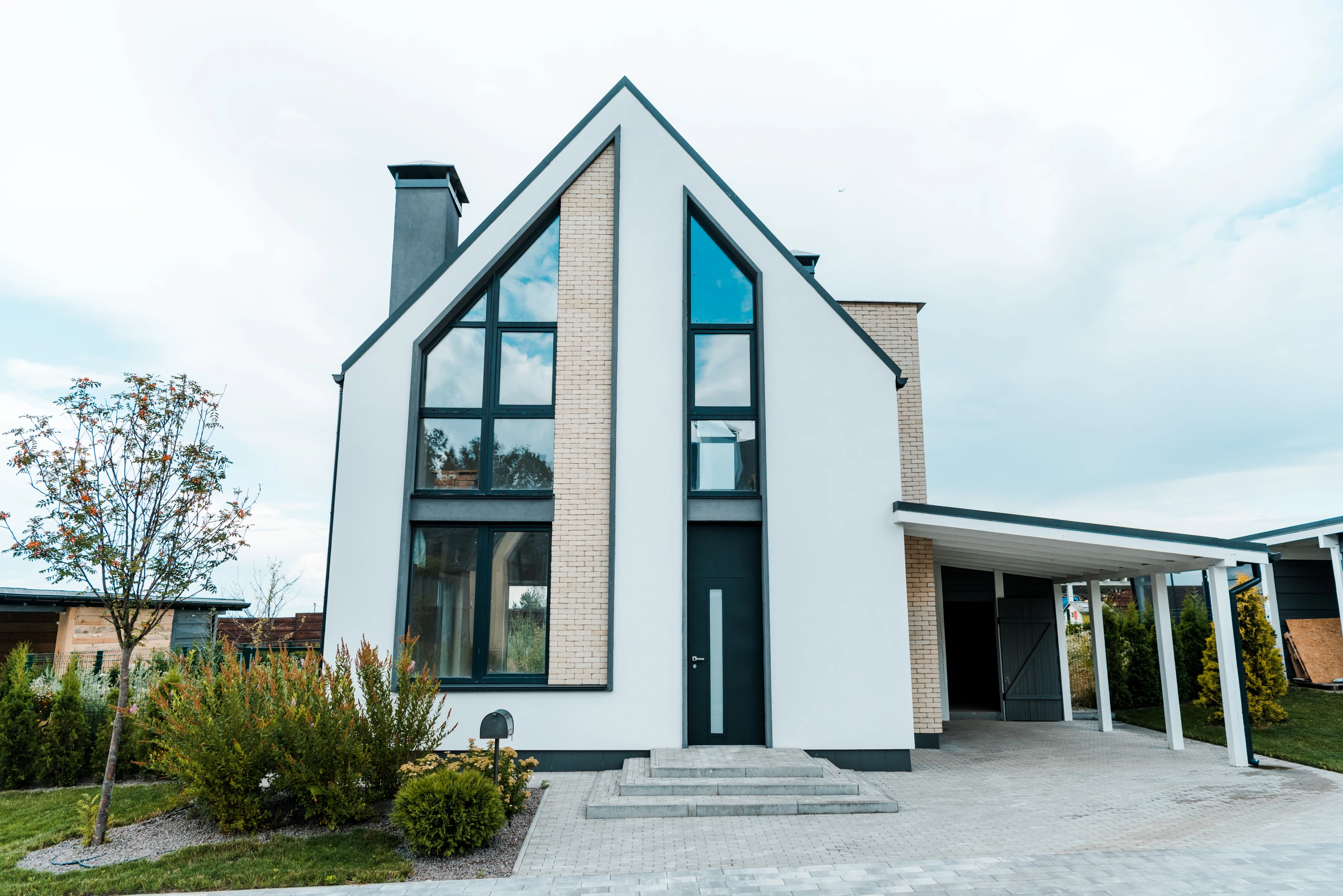
What Is Water Intrusion and How Does It Damage Your Colorado Home?
Recognizing the Warning Signs, Understanding Builder Liability, and Taking Action Before Moisture Destroys Your Property Value
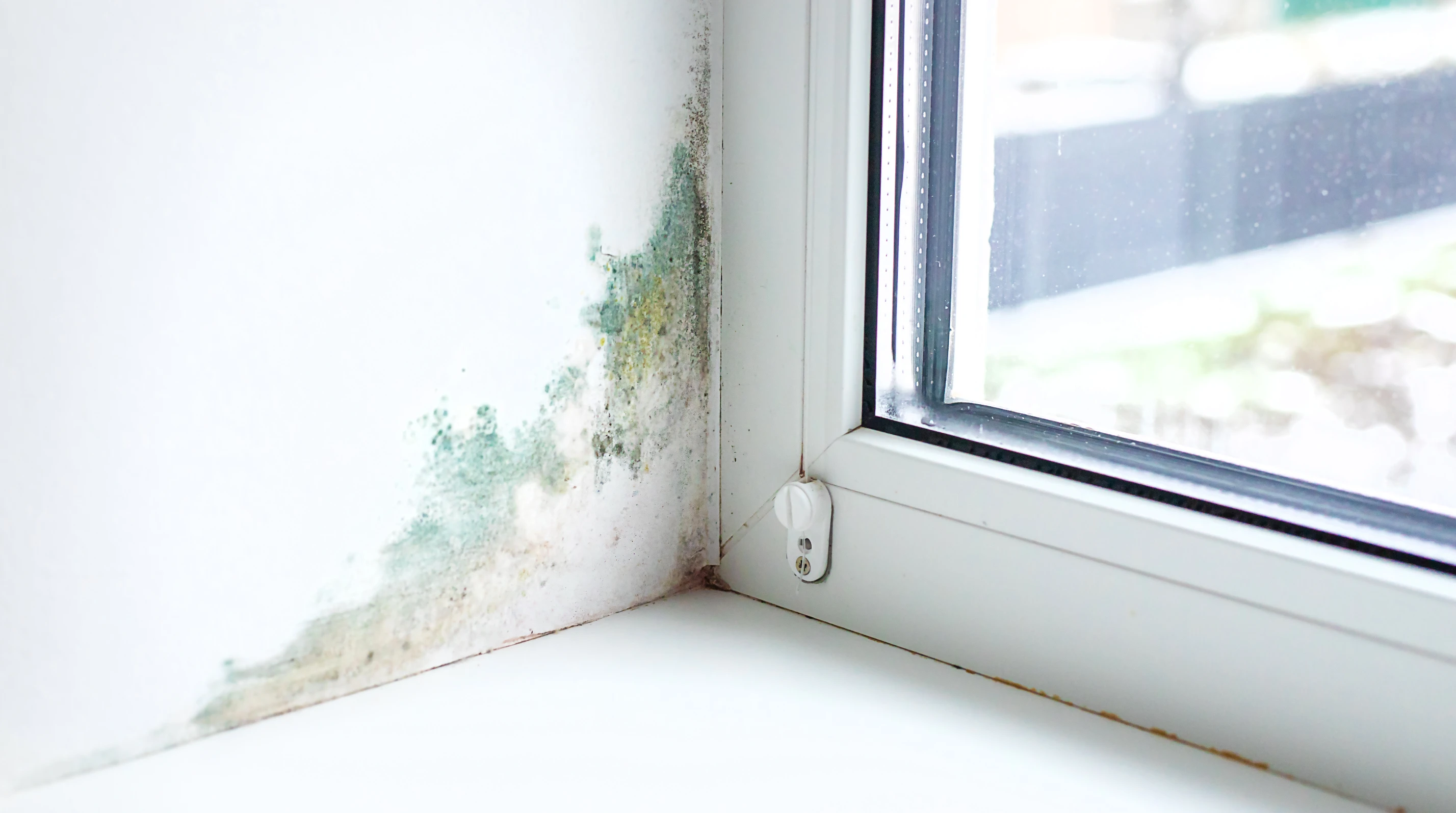
If you've noticed musty odors, water stains, or peeling paint in your Colorado home, you're right to be concerned because these warning signs can indicate serious water intrusion that's silently destroying your property's structure and value. This article will show you exactly how water enters through specific construction defects, what hidden damage is likely occurring behind your walls right now, and why Colorado law holds builders legally responsible for waterproofing failures that threaten your investment.
Water Intrusion Defects: How Moisture Destroys Colorado Homes from the Inside
Many Colorado homeowners notice subtle warning signs: a musty smell in the basement, water stains around windows, or peeling paint on exterior walls. These aren't minor cosmetic issues. They're red flags indicating a serious construction defect destroying your home from within.
Water intrusion is invisible and progressive. It silently causes wood rot, mold growth, and structural failure inside walls and under floors where you cannot see the damage accumulating.
In this article, you'll learn how water enters Colorado homes through specific defects, how to identify damage before it becomes catastrophic, and why builders are legally liable for improper waterproofing.
We've handled water intrusion cases as part of 1,000+ successfully resolved construction defect matters and recovered more than $500 million for Colorado homeowners and HOAs. This experience has shown us exactly how moisture destroys homes and how to hold builders accountable.
Why Water Intrusion Ranks Among Colorado's Most Destructive Construction Defects
Water intrusion ranks among the most common and destructive construction defects in Colorado homes, affecting thousands of properties annually. The damage it causes far exceeds most other defect categories.
Colorado's climate amplifies the problem significantly. Freeze-thaw cycles allow water to migrate into homes, which accelerates deterioration. Rapid temperature changes and altitude-driven weather create unique moisture challenges that make proper waterproofing absolutely critical.
It is estimated that poor flashing and improper grading cause 30-50% of construction defect claims. These preventable failures can have devastating consequences.
The invisible nature of water damage makes it particularly dangerous. Water spreads behind finished surfaces, inside wall cavities, beneath flooring, and within roofing systems. Detection becomes difficult until extensive damage has already occurred.
Colorado's Construction Defect Action Reform Act holds builders liable for waterproofing failures. Building codes require proper installation to prevent moisture entry, and violations create legal liability for the resulting destruction.
Where Does Water Actually Get Inside?
Windows: Improperly installed windows lack continuous waterproofing barriers that should protect your home. Flashing may be missing, incorrectly lapped, or improperly integrated with weather-resistant barriers. Sealants deteriorate or are never applied correctly around rough openings, creating direct pathways for water to enter wall cavities.
Stucco systems: Stucco acts as a sponge when installed without proper drainage planes or weep screeds. Cracks from building settlement or missing control joints allow direct water penetration. The absence of kickout flashing at roof-wall intersections channels roof runoff straight into wall assemblies, saturating structural framing.
Roofing systems: Defective shingle installation, improper underlayment, missing or incorrectly installed valley flashing, and inadequate drip edge allow water to bypass the roofing membrane. Water then enters roof decking and attic spaces where it destroys insulation and structural members.
Flashing failures: Flashing is the metal or membrane material that directs water away from vulnerable junctions. That junction is frequently the weakest link in waterproofing systems. When improperly installed at chimneys, skylights, deck ledgers, and penetrations, it creates direct pathways for water entry.
The International Building Code sections on waterproofing, flashing, and drainage are adopted in Colorado and require proper installation around these components. Violations of these code requirements create builder liability for resulting damage.
What Happens After Water Gets Inside?
Immediate effects: Water contacts wood framing, drywall, and insulation, creating constantly damp conditions that prevent drying. This persistent moisture begins the destruction process immediately.
Wood deterioration: Structural lumber absorbs moisture, swelling and losing strength. Over time, fungal decay (wood rot) destroys load-bearing capacity. Floor joists, wall studs, roof rafters, and rim boards become structurally compromised. What once supported your home safely now threatens collapse.
Mold colonization: Mold spores can colonize damp building materials within 24-48 hours. Mold spreads throughout wall cavities and HVAC systems, creating health hazards including respiratory issues, allergic reactions, and toxic exposure for your family.
Foundation and slab damage: Water infiltration through foundation walls or poor drainage causes efflorescence (white mineral deposits), concrete spalling, and erosion that undermines structural stability. Your home's foundation literally crumbles from moisture exposure.
NIST and ASTM studies confirm moisture intrusion causes these specific internal destruction patterns. Colorado's climate amplifies deterioration rates, making the damage progress faster than in other regions. Small entry points create thousands or tens of thousands of dollars in hidden damage within months.
How Can You Spot Water Intrusion Early?
Staining and discoloration: Look for brownish or yellowish stains on ceilings below roofs or upper floors, around window frames on interior walls, or on basement walls and floors. These indicate active or recent water presence.
Efflorescence: White, chalky mineral deposits on concrete foundation walls, brick or stone facades signal water moving through masonry, leaving dissolved salts as it evaporates. This is direct evidence of moisture intrusion.
Paint and finish failures: Bubbling, peeling, or blistering paint on exterior walls or interior surfaces near windows indicates moisture trapped beneath. Warped or buckling wood trim around openings shows water exposure damaging the materials.
Odor: Musty, earthy smells in closets, basements, or rooms point to hidden mold growth from persistent moisture.
Material distortion: Check for warped flooring, sagging ceiling sections, or separating trim pieces that suggest water-damaged structural members behind finished surfaces. These visible deformations can indicate hidden structural compromise.
Testing methods: Moisture meters detect elevated readings in suspect areas. Thermal imaging cameras reveal temperature differences indicating wet insulation or framing that you cannot see with the naked eye.
Early identification via these signs allows intervention before damage spreads throughout the home. Once visible signs appear, significant hidden damage likely already exists requiring professional investigation. Do not wait for conditions to worsen.
Who's Responsible When Waterproofing Fails?
Legal duty: Colorado law imposes strict obligations on builders to construct homes that keep water out. Waterproofing is not optional and must meet code requirements in every installation.
Colorado law provides clear remedies for homeowners whose properties suffer moisture damage from construction failures.
Multiple liability theories: Homeowners can pursue claims based on negligence (careless construction), breach of contract (failure to meet promised quality), and breach of implied warranty of habitability (defect exists regardless of care level) when windows, roofing, flashing, and stucco systems fail to prevent water entry.
C.R.S. section 13-80-104 establishes a two-year statute of limitations from discovering the defect and a six-year statute of repose from substantial completion, extendable to eight years if discovered in years five or six. These deadlines are strict and unforgiving.
Code violations as proof: Violations of building code waterproofing requirements provide direct evidence of defective construction. When builders fail to follow code, liability is clear.
Builders cannot escape liability by claiming ignorance or blaming subcontractors. The builder remains legally responsible for all construction defects, including waterproofing failures.
What If Water Intrusion Affects Shared Building Elements?
Common elements: Water intrusion through roofing systems, exterior walls, foundations, and other shared components in condominiums and townhomes affects multiple units and common areas simultaneously. The scope of damage multiplies rapidly.
Water intrusion via these common elements can lead to uninhabitable conditions, health issues from mold, and repair costs exceeding one million dollars in severe cases. The financial burden affects entire communities.
HOA legal responsibility: HOAs have obligations under their governing declarations and Colorado law to maintain common elements and address defects. Failure to act creates liability to individual owners who suffer damage.
Impact on owners: Water damage to common elements diminishes property values for all owners and creates assessment obligations to fund repairs. HOAs can pursue construction defect claims against builders on behalf of the community, recovering costs without burdening individual homeowners.
Our Track Record Handling Water Intrusion Cases
We've handled water intrusion cases as part of our broader construction defect practice, representing homeowners and HOAs throughout Colorado. Our experience identifying hidden moisture damage through expert investigation and testing reveals the full scope of destruction builders want to hide.
We've secured proven results and significant compensation for waterproofing failures, window defects, roofing system failures, and stucco issues. Our trial-ready approach forces builders to take our clients' claims seriously.
Our quality-over-volume approach means we thoroughly investigate every case and prepare for trial when builders refuse fair settlement. We don't back down from difficult cases or powerful construction companies.
Your Next Steps If You Suspect Water Intrusion
Document everything: Photograph all visible signs of water intrusion, staining, efflorescence, or material damage. Note dates when problems first appeared or worsened. Keep records of any previous repair attempts, however unsuccessful.
Get professional investigation: Moisture testing and expert inspection reveal hidden damage and determine whether defects or other causes are responsible. You need evidence to build your case.
Act within statutory deadlines: Colorado's two-year discovery rule and six-year statute of repose create strict time limits for pursuing claims. Delays can forfeit your legal rights permanently.
Understand builder obligations: Properly constructed homes should keep water out. Failures indicate defects triggering builder liability, not normal wear and tear you must accept.
If you've noticed signs of water intrusion in your Colorado home, contact us immediately for a case evaluation. We'll help you understand the full extent of damage and your legal options.
Early action protects your home, your health, and your legal rights.
Related reading
Learn more about our construction defect litigation practice.