What Are the Warning Signs of Construction Defects in Your Colorado Home?
How to Identify Problems Early and Protect Your Biggest Investment Before Issues Get Worse
If you've noticed cracks, sticking doors, water stains, or other troubling issues in your Colorado home, you're right to be concerned—these could be warning signs of serious construction defects, not just normal settling. This guide will help you identify the specific red flags that matter most, understand why Colorado homes face unique risks, and learn exactly how to document problems so you can protect your investment before minor issues become major expenses.
Signs Your New Colorado Home May Have Construction Defects: A Homeowner's Guide
You just bought your dream home in Colorado, but something feels off. Maybe doors won't close properly, or you've noticed mysterious cracks appearing in walls. You're wondering if this is normal settling or something more serious.
This isn't just a house. It's likely your biggest investment, and discovering problems feels overwhelming and isolating.
This article will walk you through the most common warning signs of construction defects in Colorado homes, organized by category, so you can identify problems early. With over 1,000 construction defect cases successfully resolved and more than $500 million recovered for clients, we've seen these patterns countless times and can help homeowners understand what to look for.
Why Colorado Homes Are Particularly Vulnerable
Colorado's unique climate creates challenging building conditions. The state's freeze-thaw cycles, rapid weather changes, and heavy snow put constant stress on building materials and systems.
Combined with Colorado's expansive soils that swell and contract with moisture changes, these conditions require precise construction techniques. When builders cut corners or rush timelines, defects emerge.
The boom in new construction over recent years has intensified these risks. Rushed schedules and cost-cutting measures often lead to compromised workmanship.
Construction defects aren't always obvious immediately. Some issues take months or even years to manifest as the home settles and experiences seasonal changes.
Colorado law includes specific protections for homeowners through the Colorado Construction Defect Action Reform Act, known as CDARA. This law governs construction defect claims in Colorado and includes specific notice requirements and timeframes that protect your rights.
Documentation matters from day one, which is why recognizing warning signs early is critical.
Foundation Issues: Cracks, Doors, and Uneven Floors
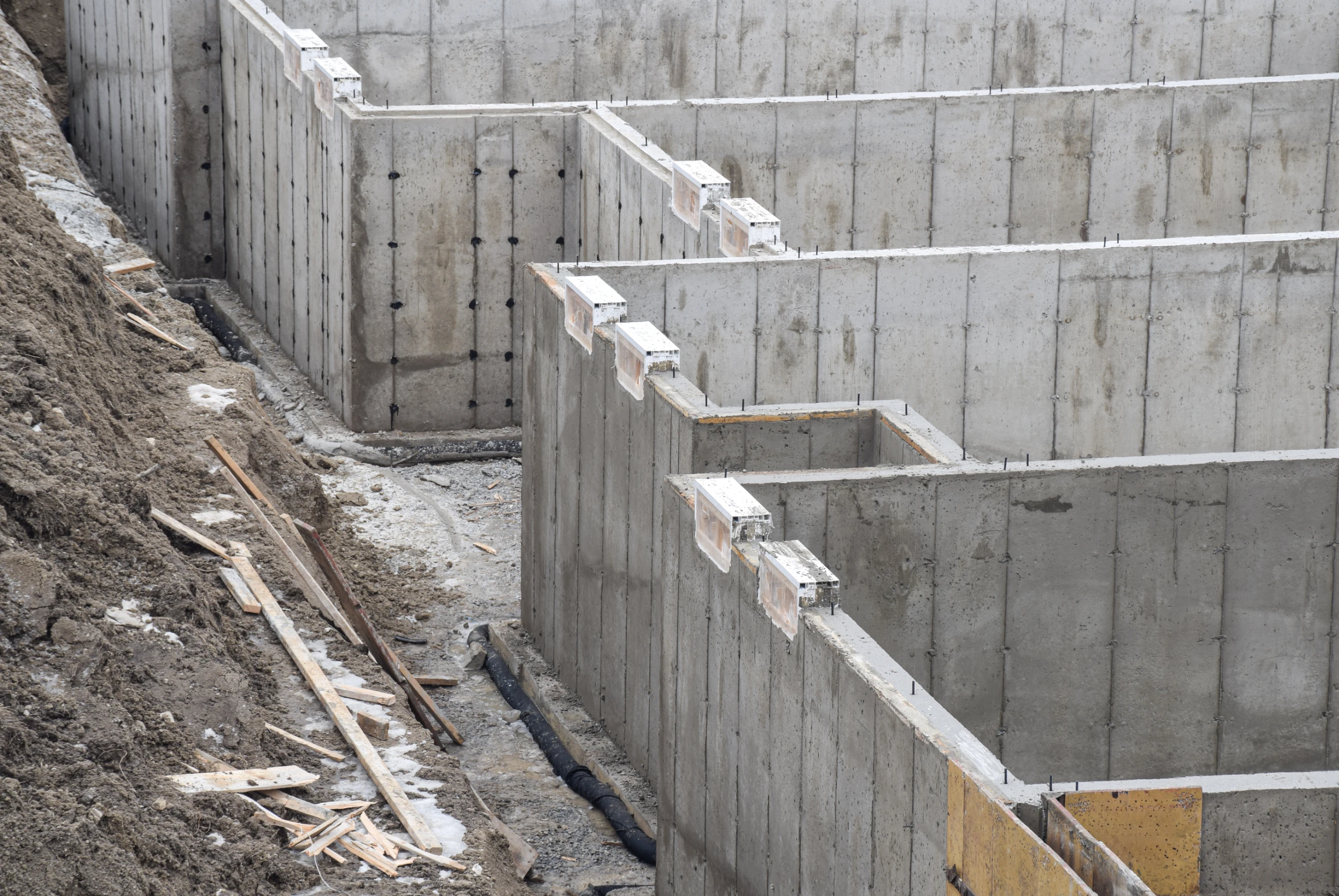
Foundation problems are among the most serious and costly defects we see. Colorado's expansive soils shift with moisture changes, placing enormous stress on foundation systems.
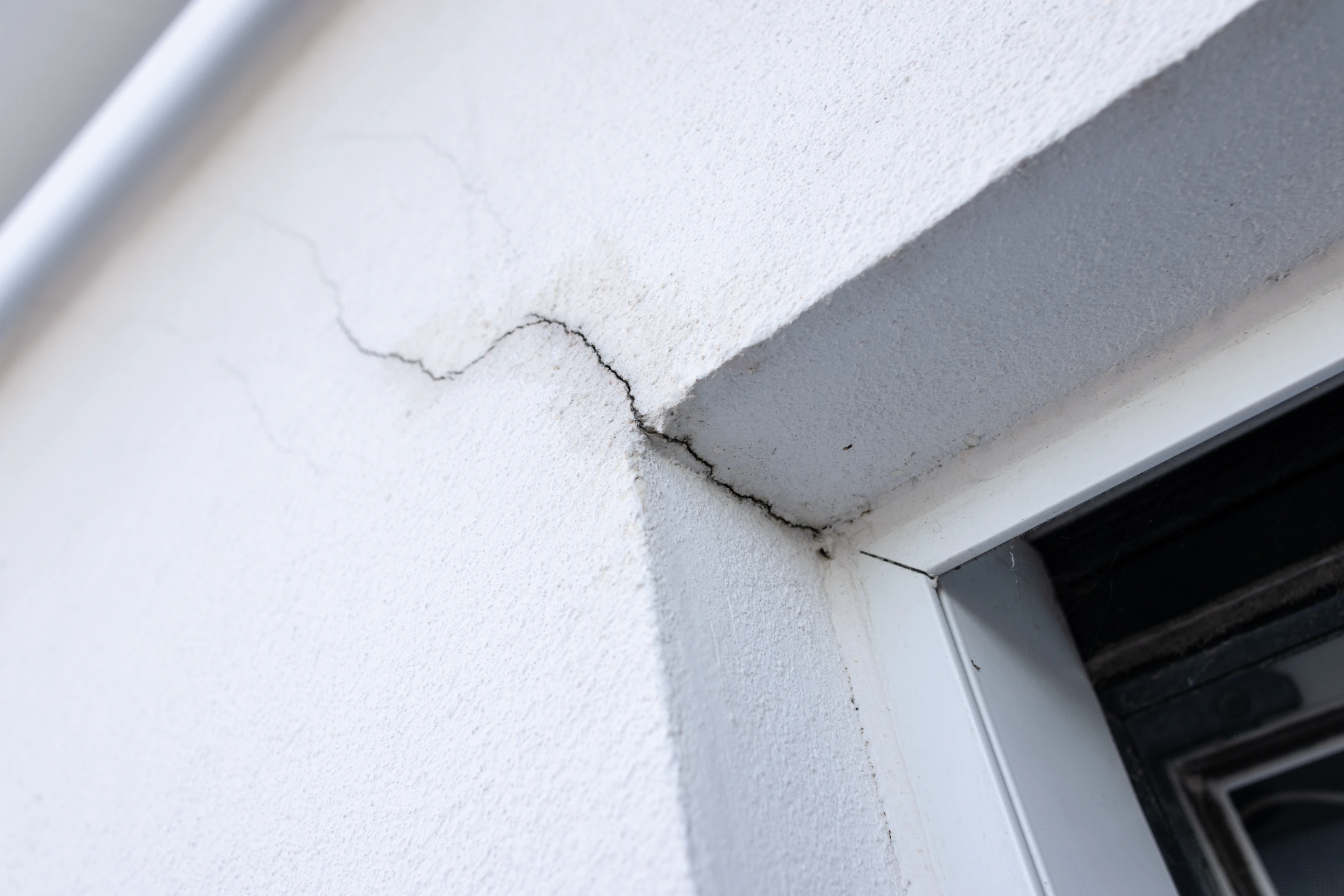
Cracks in foundation walls or basement floors are the most visible warning sign. Hairline cracks may be cosmetic and result from normal curing. But cracks wider than a quarter-inch, or cracks that are widening over time, signal serious structural issues.
Sticking doors and windows often indicate foundation problems. If interior doors suddenly won't close properly or windows become difficult to open, this suggests foundation shifting or settling beyond normal parameters.
Uneven or sloping floors are another red flag. Look for gaps between floors and baseboards. You can use a marble to test whether floors are level. If it consistently rolls in one direction, your foundation may have shifted.
These signs commonly result from Colorado's expansive soil conditions that cause foundations to shift as moisture levels change throughout the year.
Foundation issues rarely improve on their own. They typically worsen over time, making early detection and documentation essential.
Water Intrusion: Staining, Odors, and Moisture
Water intrusion is one of the most common and damaging defects we see in Colorado homes. Poor window or door sealing, inadequate drainage systems, or roofing problems allow water to penetrate your home's envelope.
Water staining on ceilings, walls, or around windows and doors is a clear warning sign. Look for discolored patches, yellow or brown rings, or darker areas that indicate moisture penetration.
Musty or moldy smells often appear before visible damage. These odors in basements, crawl spaces, or certain rooms indicate moisture that may not be visible yet but is already causing damage.
Peeling or bubbling paint or wallpaper occurs when moisture gets trapped behind surfaces. The water breaks down adhesion and creates visible bubbles or causes materials to separate from walls.
Visible mold growth is a serious concern. Look for mold in corners, around windows, or in bathrooms and basements where moisture accumulates.
Colorado's heavy snow, intense rain, and freeze-thaw cycles make proper sealing and drainage absolutely critical. When builders cut corners on these systems, water finds a way in.
Water damage creates cascading problems: structural deterioration, mold growth, and health hazards that become more expensive to remediate the longer they persist.
Roofing Red Flags: Leaks and Drainage Problems
Your roof is your home's first line of defense against Colorado's weather extremes. Improper installation can lead to expensive damage that compounds over time.
Missing, cracked, or curling shingles compromise the roof's integrity and allow water penetration. These defects often result from poor installation or substandard materials.
Improper or inadequate flashing around chimneys, vents, and roof valleys is where leaks commonly start. Flashing must be precisely installed to create proper transitions between materials at these vulnerable points.
Poor drainage leading to pooling water on flat or low-slope sections accelerates roof deterioration. Standing water finds microscopic openings and eventually penetrates the roofing system.
Interior ceiling stains or water marks that appear after rain or snow indicate active roof leaks. These stains may be small at first but signal ongoing water intrusion.
Many roofing defects aren't visible from ground level, which is why professional inspection matters. Problems often don't show up until the first heavy snowfall or prolonged rain exposes installation failures.
Exterior Warning Signs: Drainage, Grading, and Siding
Proper exterior systems prevent water from reaching your foundation and walls. These systems work together to channel water away from your home.
Poor grading that slopes toward the house instead of away causes water to pool against the foundation. This can cause basement leaks and foundation damage.
Clogged, damaged, or improperly installed gutters and downspouts fail to channel water away from the home. Gutters must be properly sized, sloped, and positioned to handle Colorado's intense storms.
Gaps or cracks in exterior siding or stucco allow water infiltration behind the exterior envelope. Once inside wall cavities, water causes hidden damage to framing and insulation.
Standing water in the yard after rain, particularly near the foundation, indicates drainage problems. Water should dissipate within hours, not pool for days.
Soil erosion around the foundation perimeter signals inadequate drainage or grading. This erosion undermines foundation support and creates pathways for water intrusion.
Colorado's intense rainstorms and rapid snowmelt make proper drainage systems essential. Inadequate grading or drainage is a common construction shortcut that creates expensive long-term problems.
Exterior defects often go unnoticed because homeowners assume water problems will be obvious. But damage happens silently behind walls, where you can't see it until it becomes severe.
How to Document What You're Seeing
Proper documentation is absolutely critical if issues turn into a construction defect claim. The evidence you gather now becomes the foundation of any potential legal action.
Take dated photographs and videos from multiple angles showing the full context of each issue. Use your phone's date stamp feature or photograph a newspaper alongside the defect to prove timing.
Create a written log noting the date you first observed each issue, the specific location, a detailed description, how it impacts your use of the home, and weather conditions at the time.
Track progression over time with follow-up photos and notes showing whether issues are worsening. This progression demonstrates that problems aren't static but are actively deteriorating.
Save all communications with the builder, contractor, or warranty company. Keep emails, text messages, and written correspondence. These communications establish a timeline and show your good-faith efforts to resolve issues.
Avoid making undocumented repairs that could eliminate evidence of the original defect. Once you repair something without documenting it, proving the original condition becomes much more difficult.
Organize everything in a single digital folder. Include any expert inspection reports or repair estimates you obtain. This organization makes evidence easily accessible when needed.
This documentation becomes the foundation of any potential legal claim and dramatically strengthens your position.
Experience That Makes the Difference
Across more than 1,000 construction defect cases, we've seen how early documentation makes the difference between successful and unsuccessful claims.
We take a quality-over-volume approach. We take on fewer cases so we can pursue maximum results for each client. This commitment to focused representation has helped us recover over $500 million for clients.
Our trial-ready preparation and proven results speak for themselves.
“I thought the cracks were just normal settling. Nelson Law helped me understand they were serious foundation defects and recovered the full cost of repairs.”
Recognizing warning signs early and documenting them properly protects your rights and your investment.
What to Do Next
Trust your instincts. If something seems wrong with your new home, document it and get it inspected. You know your home better than anyone.
Don't let the builder minimize your concerns. You have rights under Colorado law, and builders have legal obligations to deliver homes free from defects.
Act quickly. Colorado's construction defect law, CDARA, includes specific notice requirements and statutes of limitations. Early action protects your rights and preserves evidence.
Start documenting today using the steps outlined above. Every photo, note, and communication strengthens your position.
Consider getting an independent inspection from a qualified professional, not someone recommended by the builder. Independent experts provide objective assessments.
If you're seeing warning signs in your Colorado home, contact us for a free case evaluation. We'll help you understand what you're dealing with and what options you have.
Understanding what to look for is the first step toward protecting your investment and holding builders accountable for defective work.