What Colorado Homeowners Need to Know About Expansive Soils and Foundation Damage
How Front Range Builders Should Protect Your Home From Colorado's Clay Soils and What to Do When They Don't
If you're seeing foundation cracks or uneven floors in your Colorado home, you're potentially dealing with the hidden threat of expansive clay soils that builders should have anticipated and protected against. This article reveals exactly what Front Range builders are required to do to prevent foundation damage, why so many skip these critical steps, and what legal options you have when preventable soil-related damage threatens your home's structural integrity.
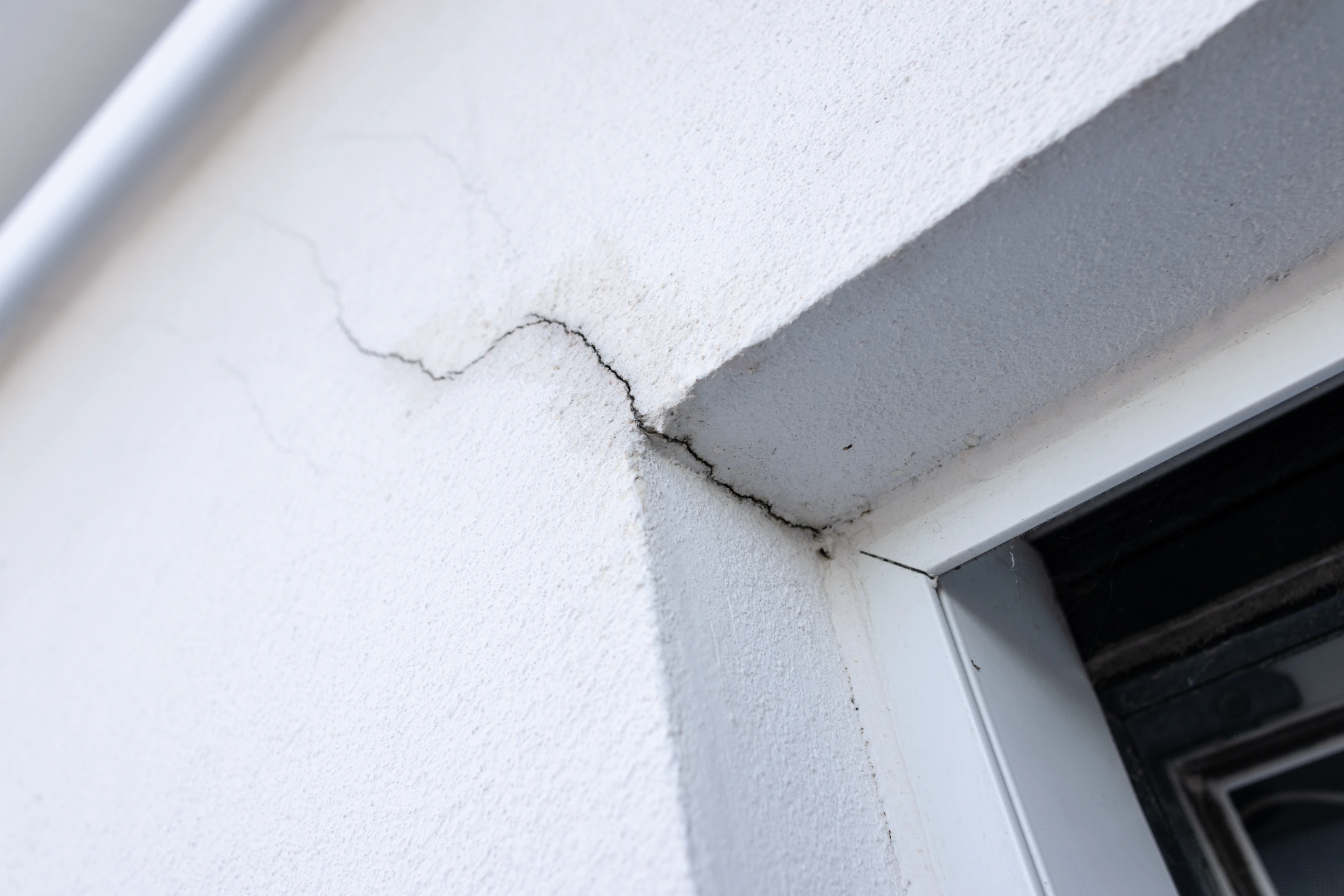
You notice cracks forming above doorways. Your floors feel uneven when you walk across them. The garage seems to be separating from the house. Most Colorado homeowners don't realize these symptoms trace back to what's happening beneath their foundation.
Expansive clay soils cause more property damage in Colorado than any other natural hazard, yet the connection between cracking walls and clay soils remains invisible to most homeowners until significant damage occurs.
This article explains the geology causing the problem, identifies high-risk areas along the Front Range, and details what builders should have done to prevent it.
With over 1,000 construction defect cases resolved and more than $500 million recovered for Colorado homeowners, we've seen how preventable foundation damage devastates families when builders cut corners on soil analysis.
Understanding Expansive Soils
Expansive soils are clay soils that swell when wet and shrink when dry. These clay minerals can expand up to 10% or more of their dry volume when saturated. The Colorado Geological Survey identifies bentonite and montmorillonite as the primary clay minerals responsible for this behavior.
The scope of this problem is staggering. The U.S. Geological Survey reports that these soils cause billions of dollars in damage annually across the United States, with Colorado being one of the most severely affected states.
According to Colorado State University's Extension Service, approximately 50% of Colorado's land area contains expansive soil deposits, with highest concentrations along the Front Range and Eastern Plains.
This isn't a rare problem. It's the geological reality of building along Colorado's Front Range. The difference between homes that fail and homes that endure comes down to whether builders followed proper protocols.
Why the Front Range Has Colorado's Most Dangerous Soils
The Front Range Urban Corridor, including Denver, Aurora, Boulder, Fort Collins, Colorado Springs, and surrounding municipalities, sits atop some of the most expansive soils in North America.
Two specific geological formations are responsible: the Pierre Shale formation and Dawson Arkose deposits make the Denver Metro area particularly vulnerable to foundation failures.
Douglas County, Aurora, and Colorado Springs stand out as particularly high-risk jurisdictions. These areas have documented histories of foundation failures tied directly to expansive clay.
Builders constructing in these areas know, or should know, about soil conditions. This isn't hidden information. When they skip proper soil testing or ignore geotechnical recommendations, they're gambling with homeowners' largest investment.
The geology isn't the defect. The defect is building on that geology without proper foundation design.
How Expansive Soils Destroy Foundations
The National Institute of Standards and Technology explains that expansive soil damage occurs through repetitive cycles of swelling and shrinking. Understanding this two-part damage process is critical.
First, heaving occurs when soil beneath a foundation expands unevenly. This creates differential pressure that can lift portions of the foundation, stressing the structure above.
Second, settlement happens during dry periods when soil shrinkage creates voids beneath the foundation. This leads to settlement and cracking as the foundation loses support.
It's the repetitive cycle that causes cumulative damage over time, not a single event.
Research from the American Society of Civil Engineers identifies the visible symptoms homeowners see:
- Foundation cracks (vertical, horizontal, and diagonal)
- Uneven floors and floor separation from walls
- Door and window misalignment
- Basement wall bowing or cracking
- Separation of attached structures like garages and porches
These aren't cosmetic issues. They're structural failures.
What Colorado Building Codes Require Builders to Do
Colorado adopted the International Building Code with state-specific amendments. Section 1803 of the IBC specifically addresses geotechnical investigations and requires soil testing when expansive soils are suspected. Section 1808 of the IBC requires builders to design and construct a foundation system that will not interfere with the useability and serviceability of your home.
The Colorado Department of Local Affairs, Division of Housing, mandates that local jurisdictions enforce building codes addressing expansive soil conditions.
Most Front Range municipalities require:
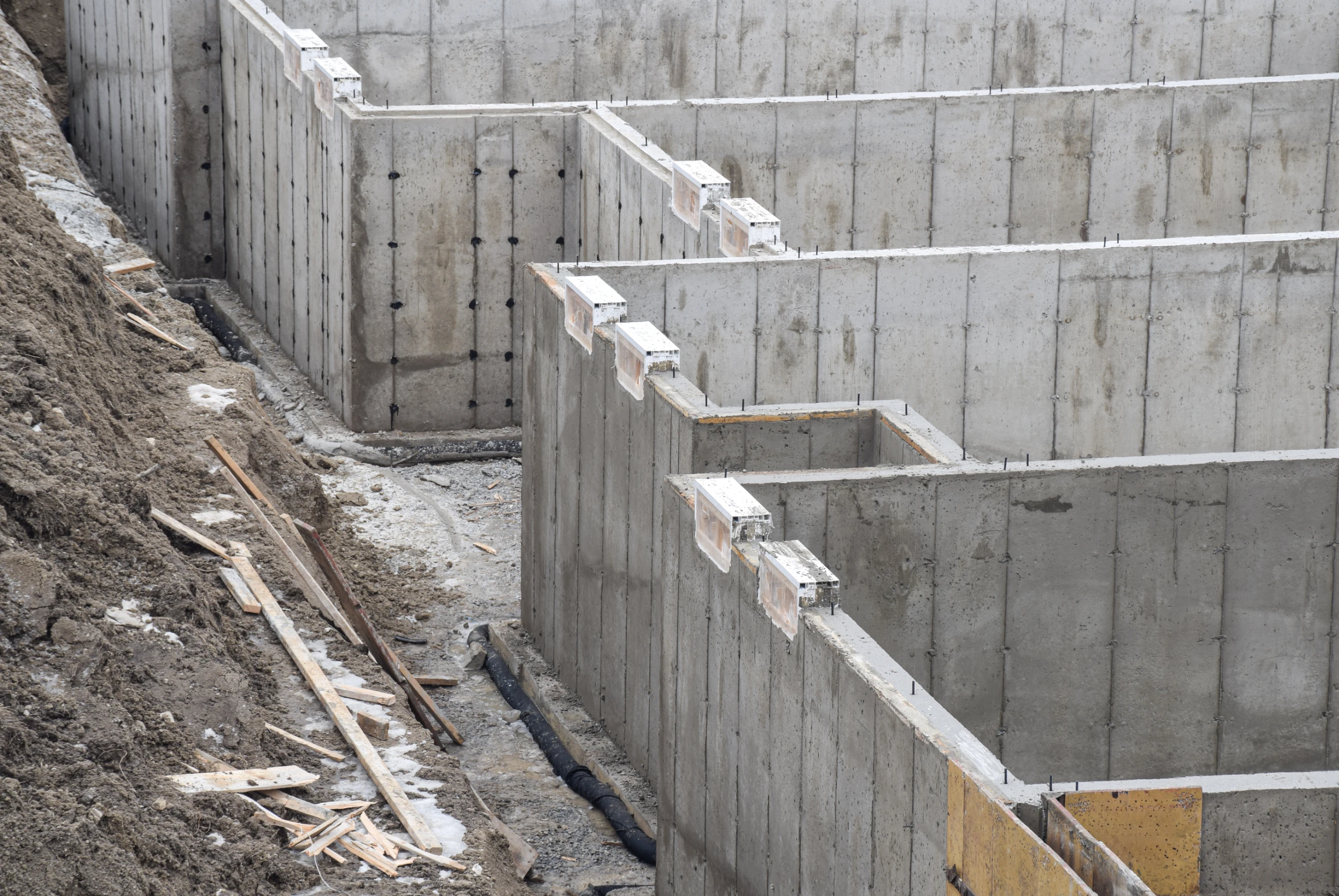
- Pre-construction geotechnical reports for residential construction
- Engineered foundation designs in areas with known expansive soils
- Proper drainage and grading specifications
Denver has specific provisions in Denver Revised Municipal Code Chapter 10. These requirements include:
- Soils reports prepared by licensed geotechnical engineers
- Foundation designs that account for measured expansion potential
- Moisture barriers and drainage systems
- Minimum depth requirements for foundations based on soil expansion index
These aren't suggestions. They're code requirements. When builders skip these steps, they're not just being careless, they're violating the code.
When foundation damage results from failure to properly address known expansive soil conditions, it may constitute a construction defect under Colorado law.
Your Rights When Builders Ignore Soil Conditions
Colorado's construction defect statutes require builders to construct homes in accordance with applicable building codes and industry standards.
Builders have a duty to:
- Conduct appropriate soil testing before construction
- Design and install foundations suitable for soil conditions
- Implement proper drainage and moisture control
- Disclose known soil hazards to purchasers
When builders fail these duties and foundation damage results, homeowners have legal recourse.
Colorado law establishes specific procedures homeowners must follow. Homeowners must provide written notice to the builder describing the defect before filing a lawsuit. The builder then has an opportunity to inspect and offer to remedy the defect.
Construction defect claims in Colorado are subject to a two-year statute of limitations from the date the defect is discovered or should have been discovered.
Don't wait. Foundation damage compounds over time, and so does repair cost.
Our Track Record with Expansive Soil Cases
We've represented homeowners across the Front Range in expansive soil cases. Our experience includes Douglas County, Aurora, Colorado Springs, and throughout the metro Denver area in cases where builders failed to address known soil conditions.
Our track record speaks for itself: 1,000+ construction defect cases successfully resolved, more than $500 million recovered for clients.
We don't take every case. We take cases we can win, and we prepare every case for trial.
"They understood exactly what the builder should have done and held them accountable. We finally have a stable home again."
What to Do If You're Experiencing Foundation Damage
If you're seeing foundation cracks, uneven floors, or door misalignment in a Front Range home built on expansive soils, don't assume it's normal settling.
Follow this decision framework:
- Document the damage with photographs and dates
- Get an independent structural engineer's assessment
- Don't let the builder minimize the problem or delay investigation
- Understand your notice requirements and timelines under Colorado law
Builder liability depends on proving they failed to follow proper protocols for expansive soil conditions. This requires construction defect expertise and often geotechnical expert testimony.
Nelson Law provides free case evaluations for Colorado homeowners dealing with foundation damage.
If your Front Range home shows signs of foundation failure, contact us to discuss whether you have a construction defect claim.
We've held builders accountable for expansive soil failures before, and we know how to prove these cases.