What Qualifies as a Construction Defect Under Colorado Law?
How to Determine if Your Home Problems Are Actionable Under CDARA and What to Do Next
If you're noticing cracks, leaks, or other problems in your Colorado home, you're probably wondering whether these issues are serious enough to take legal action or just normal wear and tear. This article will give you the specific legal standards Colorado uses to define construction defects, real examples of what qualifies, and a clear roadmap for protecting your rights under state law.
What Qualifies as a Construction Defect Under Colorado Law?
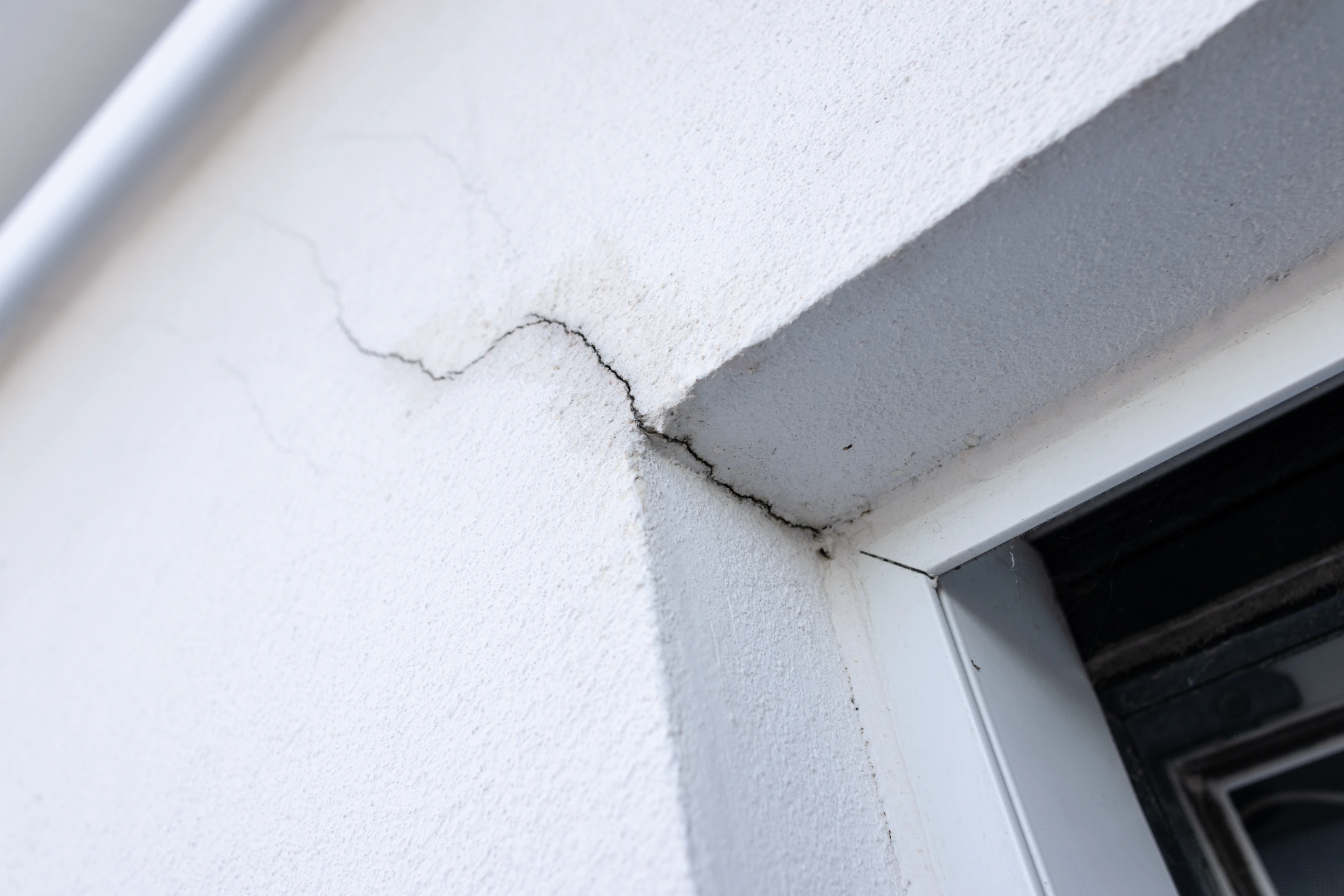
You notice cracks spreading across your foundation, or water stains appearing on walls, or doors that won't close properly. You wonder if these are normal settling issues or something more serious.
You're not sure if your problem is "bad enough" to be a legal issue.
This article will clarify exactly what qualifies as a construction defect under Colorado law, helping you understand whether your concerns are actionable.
At Nelson Law, we've successfully resolved over 1,000+ cases and recovered $500M+ for Colorado homeowners and HOAs. Our role is to educate homeowners about their rights before they ever file a claim, helping you understand what options exist when construction problems arise.
What Are Some Categories of Construction Defects?
- Design defects: Errors made by architects or engineers before construction begins. Examples include improperly designed drainage systems, insufficient structural support, and poorly planned waterproofing details.
- Material defects: Use of substandard or defective building products. Examples include defective siding, faulty roofing materials, and subpar HVAC systems.
- Workmanship defects: Poor installation or construction by contractors and subcontractors. Examples include improper flashing installation, incorrect framing, faulty plumbing connections, and inadequate sealing.
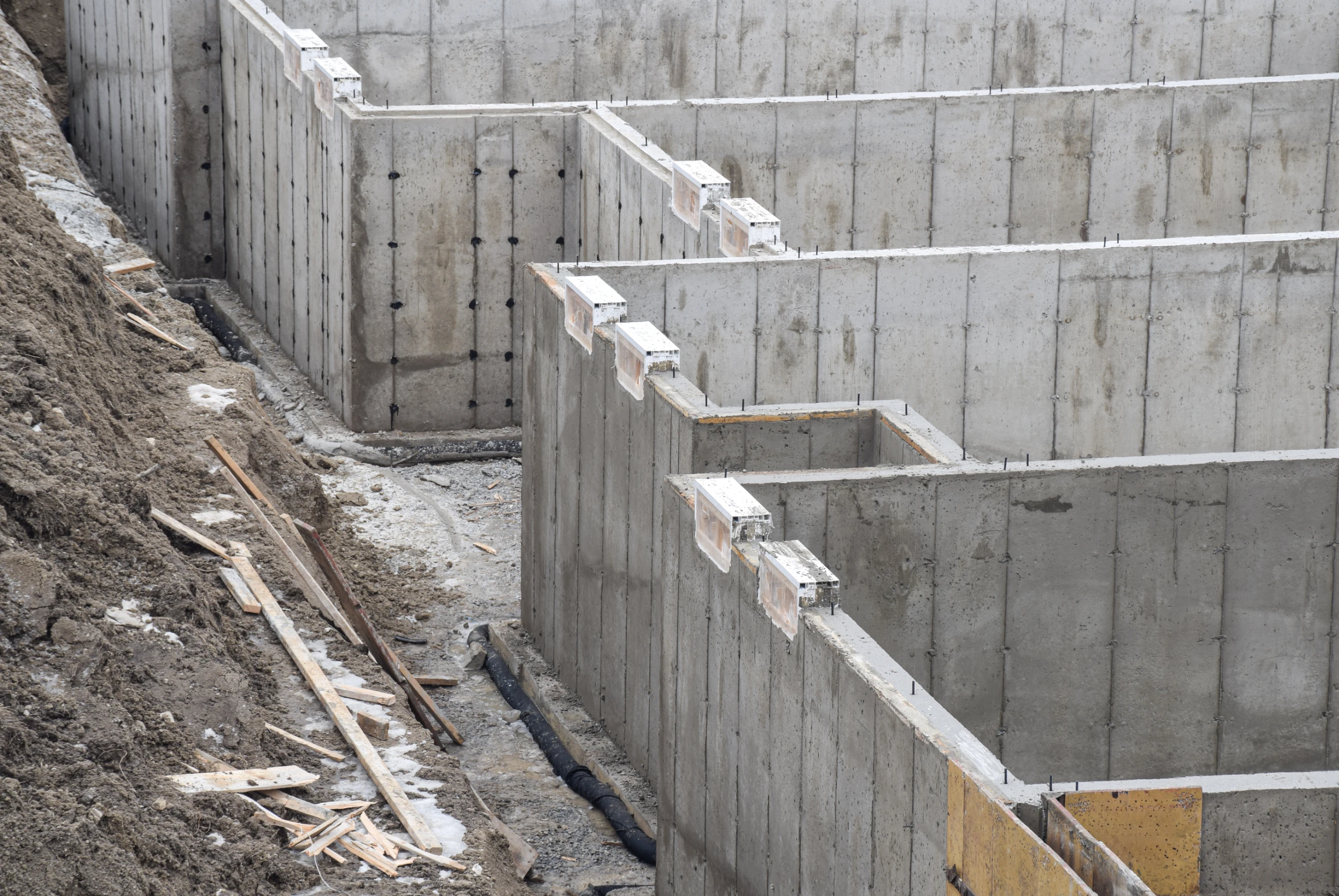
- Subsurface defects: Problems with the foundation, grading, or soil conditions. Examples include foundation cracks, settlement issues, inadequate soil compaction, and drainage failures.
Many construction defect cases involve multiple categories. A leaking roof might stem from both design errors (improper slope) and workmanship issues (poor installation).
What Do Construction Defects Actually Look Like in Your Home?
Let's look at concrete examples that Colorado homeowners can relate to their own situations:
- Foundation cracks that worsen over time
- Structural failures in load-bearing walls
- Roof systems that allow water intrusion
- HVAC systems that fail prematurely or were improperly sized
- Significant water damage from plumbing or waterproofing failures
- Windows and doors that leak or don't operate properly
- Defective exterior cladding, including stucco, EIFS, and siding
- Improperly installed insulation
- Drainage systems that cause water pooling
- Electrical systems not meeting code
Size doesn't always determine legal significance. Even smaller defects can qualify if they present an unreasonable risk of injury or property damage, or if they violate building codes or fail to meet applicable standards.
In our 1,000+ cases, we've seen how seemingly minor issues often signal larger construction failures.
When Does a Problem Become an Actionable Defect?
Not every imperfection qualifies. Cosmetic issues typically don't meet the standard. But defects that compromise structural integrity, create safety hazards, allow water intrusion, or significantly diminish property value generally do.
Here's helpful guidance: If the problem could worsen over time, cause additional damage, affect the safety or habitability of your home, or require expensive repairs, it likely meets the threshold.
You don't need to wait until catastrophic damage occurs. Early intervention often prevents larger problems.
Building code violations are strong evidence of defects, even if damage hasn't yet occurred. If construction didn't meet applicable standards when built, that's relevant to your case.
Do the Same Rules Apply to Condos and HOAs?
HOAs and condo associations have specific rights under both CDARA and CCIOA.
Under C.R.S. § 38-33.3-102(7), CCIOA covers deficiencies in the design, construction, or repair of common elements in common interest communities.
What this means: HOAs can pursue claims for defects in common areas (clubhouses, pools, parking structures, roofs, exterior walls) as well as defects that affect individual units.
Single-family HOAs have equivalent rights for common area defects.
An important procedural advantage: HOAs have legal standing to bring claims on behalf of the community without needing individual homeowner participation in every instance.
However, HOAs must follow CDARA's notice requirements and prioritize using any settlement or award funds for actual repairs. These procedural requirements are strictly enforced.
Many of our 1,000+ successfully resolved cases involved community associations navigating these complex requirements.
What Happens Before You Can File a Lawsuit?
Recognizing you have a defect is only the first step. Colorado law requires specific procedures before litigation.
CDARA mandates a pre-litigation process: Homeowners or HOAs must provide written notice of the claimed defects to the builder before filing a lawsuit. This notice must describe the defects in detail.
After notice, the builder has the right to inspect the property within 30 days and may offer to repair the defects, settle the claim, or dispute it entirely.
These aren't just technicalities. Failing to follow CDARA procedures correctly can jeopardize your entire claim.
This is where experienced construction defect attorneys become essential. We handle the notice process, coordinate inspections, evaluate repair proposals, and ensure your rights are protected throughout.
Builders must be given a fair opportunity to remedy defects before litigation proceeds. The law requires this good-faith process.
Our Track Record Speaks for Itself
Nelson Law has successfully helped Colorado homeowners and HOAs identify and pursue valid construction defect claims, recovering over $500M across 1,000+ cases.
Our approach emphasizes quality over volume, thorough investigation, and trial-ready preparation. We don't take every case that walks through our door.
"We weren't sure if our foundation cracks were serious enough to pursue. Nelson Law helped us understand our rights and ultimately recovered the full cost of repairs plus diminished property value."
We evaluate each potential case carefully, advising clients honestly about whether their concerns meet Colorado's legal standards. Not every problem qualifies, and we'll tell you that upfront.
Your Next Steps
First, document everything. Take photos of defects, note when problems first appeared, and keep records of any repairs or communications with your builder.
Second, don't wait. Colorado has statutes of limitation for construction defect claims. The clock typically starts running when defects are discovered or should have been discovered.
Third, get an expert evaluation. Many defects aren't immediately obvious. What appears to be a minor crack might indicate major structural failure. What looks like surface water damage might signal systemic waterproofing defects.
Fourth, understand your rights under CDARA before approaching your builder. The process matters, and missteps early on can affect your claim later.
If you're experiencing problems with your Colorado home or common areas, contact us for a case evaluation. We'll help you understand whether your concerns qualify as actionable construction defects under Colorado law.
You don't need to be certain you have a case. You just need to suspect something is wrong. We'll help you determine the next steps.