How Do I Know If My Windows and Doors Were Installed Incorrectly?
Spotting the Warning Signs of Installation Defects Before They Damage Your Colorado Home
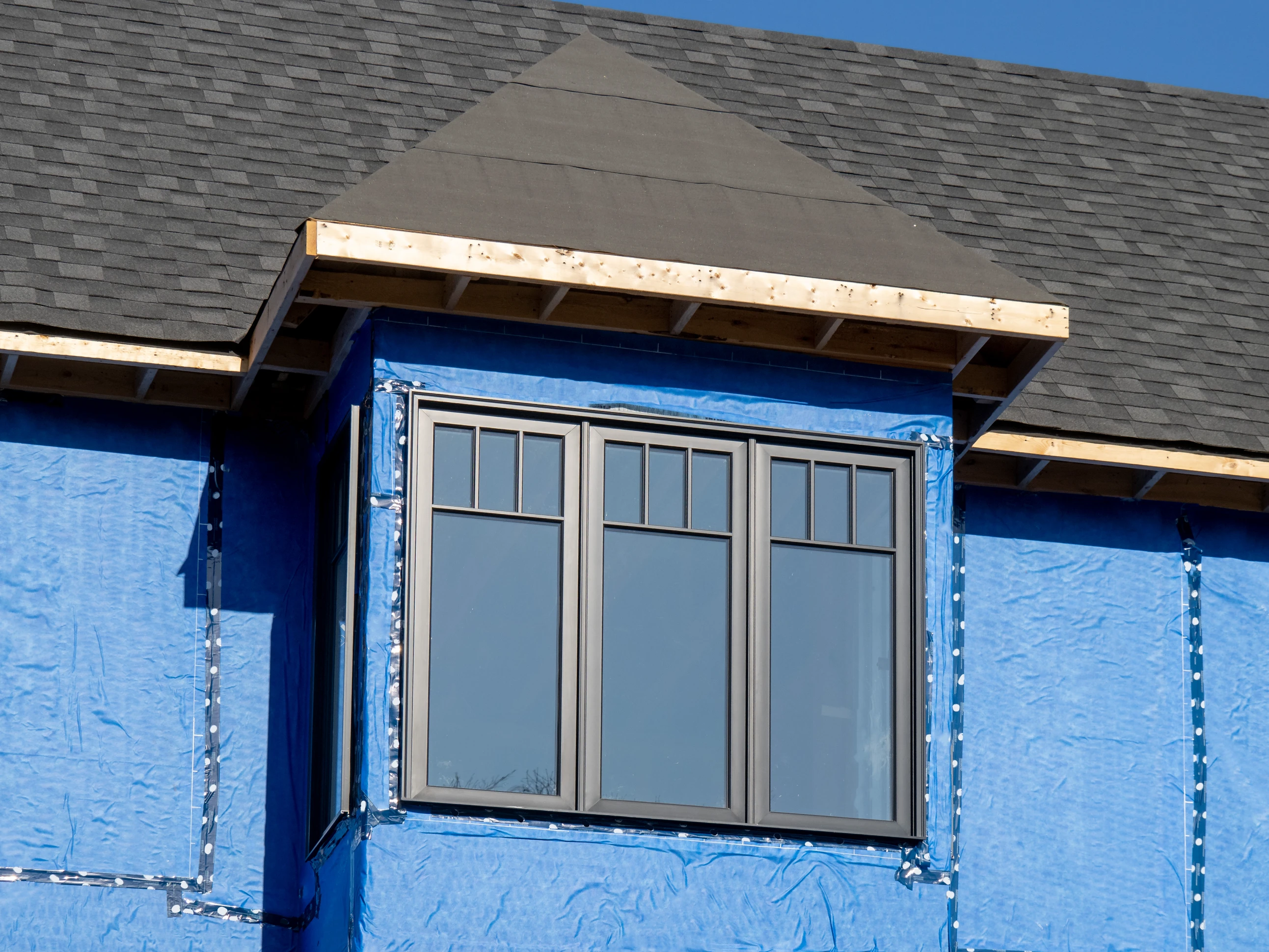
If you've noticed drafts, water stains, or rising energy bills around your windows and doors, your concerns are valid and likely point to something deeper than cosmetic wear. This article will explain what installation defects look like, why Colorado's climate makes them worse, and what legal protections you have to set things right.
That cold draft slipping past your living room window during a January storm in Denver. The faint water stain creeping along the top of your back door frame after a spring snowstorm. The heating bill that keeps climbing even though you swear the thermostat hasn't changed. If any of this sounds familiar, your frustration is justified, and your instincts may be right.
These symptoms are rarely just cosmetic annoyances. More often, they are early warning signs of installation defects that compromise your home's entire building envelope. In this article, we will walk you through how to identify window and door installation failures, what causes them, and what legal options exist under Colorado law.
With over 1,000 construction defect cases resolved and more than $500 million recovered for Colorado homeowners and HOAs, we've seen how a few poorly installed windows can lead to systemic damage throughout the home.
Understanding the Exterior Fenestration System
Windows and doors are part of what builders call the "fenestration system." Their primary job is straightforward: keep weather out and conditioned air in. When installed improperly, they fail at that core function, and the consequences ripple through the rest of the structure.
The core problem usually comes down to improper flashing, missing weather seals, gaps in the rough opening, improper framing, or incompatible sealants that break down under stress. Colorado's climate accelerates every one of these failures. Freeze-thaw cycles, wind-driven rain, intense UV exposure, and hail strikes punish even small installation shortcuts until they become significant defects.
What Are the Most Common Window and Door Installation Defects?
After reviewing thousands of homes across Colorado, we see the same installation failures appear again and again:
- Improper or missing flashing around window and door openings
- Failed or absent weather seals and weatherstripping
- Gaps between the frame and rough opening that were never properly sealed
- Incorrect installation of head flashing or pan flashing
- Use of incompatible sealants that degrade quickly under UV exposure
- Missing or improperly installed drip edges
- Windows or doors installed out of plumb, causing seal failure over time
- Failure to integrate window flashing with the weather-resistive barrier (WRB)
Each one of these defects creates a pathway for water or air to enter the wall assembly. Once moisture finds that path, it does not stop at the window or door frame. It travels into framing, insulation, and finishes, causing cascading damage that often goes hidden for years.
How Can Homeowners Spot Failing Windows and Doors?
You do not need to be a building scientist to perform a meaningful first inspection. Walk through your home with this checklist:
- Look for water stains, bubbling paint, or discoloration around interior window and door trim
- Check for drafts by holding a candle or tissue near the frame on a windy day
- Inspect exterior caulking for cracks, gaps, or pulling away from the frame
- Look for condensation between double-pane glass, which signals seal failure
- Examine sills and thresholds for rot, swelling, or soft spots
- Notice unusual increases in heating and cooling bills
- Check for mold or mildew odors near windows and doors
- Look for visible daylight around the perimeter of closed doors
For professionals to confirm what you suspect, they typically rely on industry-standard testing. An example is ASTM E331, which measures water penetration under controlled conditions. These tests provide the objective evidence that supports a construction defect claim.
Why Window Failures Signal Bigger Building Envelope Problems
Window and door defects rarely exist in isolation. Your home's building envelope is a system: exterior cladding, roof, foundation, windows, and doors all work together to manage weather. When water penetrates a fenestration, the water does not stay put. It migrates.
That migration can cause:
- Hidden mold growth inside wall cavities
- Rotting structural framing
- Damaged insulation that loses R-value and drives up energy costs
- Compromised weather-resistive barriers
- Stained or damaged drywall
- Foundation moisture issues as water tracks down wall assemblies
What looks like "just a leaky window" often indicates broader construction defects affecting siding, flashing systems, and the WRB. We encourage homeowners to treat window problems as a warning sign, not a standalone repair item.
What Are Your Legal Options Under Colorado Law?
If you suspect installation defects, your path under CDARA typically follows these steps:
- Document the defects with photos, dates, and detailed notes
- Preserve evidence and do not allow the builder to make undocumented repairs
- Understand the Notice of Claim process required before litigation
- Know that Colorado law sets specific timelines for filing claims
- Recognize that builders have a right to inspect and propose repairs
You do not have to navigate this process alone. Bringing in a construction defect attorney early protects your rights, ensures deadlines are met, and prevents critical evidence from being lost or compromised by well-meaning but undocumented repairs.
Why Homeowners and HOAs Trust Nelson Law
We have recovered more than $500 million for our clients and successfully resolved over 1,000 cases for homeowners and HOAs across five states. Our approach is quality over volume. We do not take every case. We take the right cases, and we prepare every one as if it is going to trial.
Your Next Steps
If your windows and doors are showing warning signs, act now while evidence and legal options are still preserved:
- Document every sign of water intrusion or air infiltration today
- Take photos with timestamps
- Keep records of energy bills showing unusual spikes
- Avoid signing any waivers or accepting cosmetic-only repairs from the builder
- Get a professional construction defect evaluation before legal deadlines expire
When you are ready to understand your options, contact us for a consultation. Homeowners deserve buildings that perform as promised, and Nelson Law has the experience, resources, and trial-ready reputation to make that happen.
Related reading
- What's Hiding Behind Your Stucco? Understanding EIFS and Stucco Defects in Colorado Homes
- Why Your Builder's Warranty Won't Cover Most Construction Defects
Learn more about our construction defect litigation practice.